

Used Ford vs. Used Chevy SUV Shopping Playbook for Mitchell, SD Drivers
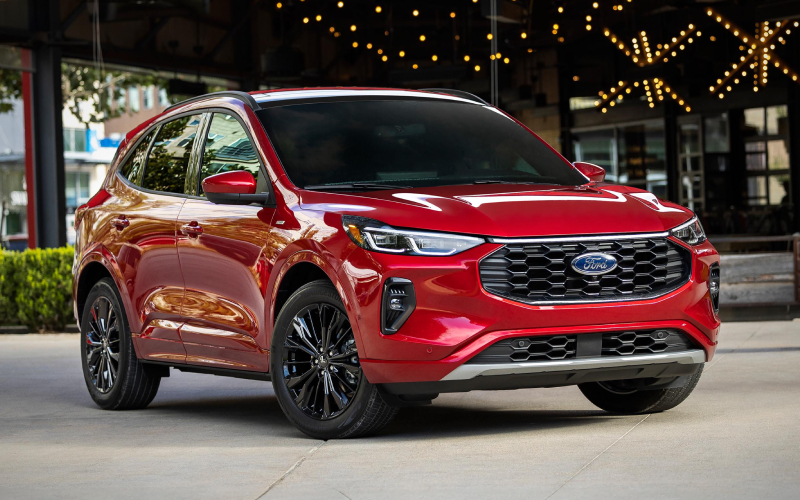
Vern Eide – Used Ford vs. Used Chevy SUV Shopping Playbook for Mitchell, SD Drivers
If you’re weighing a used Ford SUV against a used Chevy SUV, you’re already on the right track. These lineups earn their reputations by nailing daily comfort, real-world capability, and family-friendly tech—without losing sight of value. The best way to choose is to map your week: downtown parking one day, highway miles the next, maybe a stadium run with coolers and duffel bags on the weekend. That snapshot reveals the body size, drivetrain, and features that will serve you, not the other way around.
Match size to your routine
Compact SUVs like Ford Escape and Chevy Equinox shine when you split time between tight parking ramps and errands. If you like extra passing punch and a quieter ride, midsize two-row options like Ford Edge and Chevy Blazer hit a sweet spot—larger cabins without the bulk of a third row. For growing crews or carpool duty, Explorer and Traverse add breathing room without going all the way to full-size. Trailering or frequent long trips? Expedition, Tahoe, and Suburban are the heavy hitters for steady highway composure and cargo depth.
Start by checking the basics: rear-seat legroom with car seats installed, cargo length with the second row folded, and how easily strollers or gear slide in under the liftgate. Then note driver ergonomics—seat height, visibility, and steering weight—because daily comfort adds up over thousands of miles.
Engines and drivetrains—feel the difference
Ford often leans into turbocharged torque that wakes up quickly at city speeds and helps with highway merges. Chevrolet counters with refined naturally aspirated and available turbo engines for smooth, predictable response. In practice, both approaches work—what matters is how each feels to you on the same roads. Ask for a back-to-back test on the routes you know best, including a highway merge, a few rolling hills, and a couple of tight parking maneuvers.
AWD systems across both brands boost traction and stability when county roads get dusty, or you’re dealing with crosswinds on the plains. If you plan to tow, look for factory tow packages, transmission coolers, integrated trailer brake controllers, and tow/haul modes—factory setups simplify trailering and protect driveline longevity.
Tech that simplifies busy weeks
Modern SUVs thrive on smart tech that fades into the background. Apple CarPlay and Android Auto are table stakes—wireless versions on newer years free up your charging port and declutter the console. Large touchscreens matter less than intuitive menus and responsive voice commands; try setting a destination or changing a playlist by voice before you buy. One-touch fold-flat seats, hands-free liftgates, and multiple USB ports save time daily and reduce wear and tear on cabin trim.
Active safety features are worth prioritizing. Automatic emergency braking, blind-spot monitoring, rear cross-traffic alerts, and adaptive cruise can reduce fatigue and make tight parking lots less stressful. If a specific feature is a must-have, confirm it on the exact VIN—packages vary by trim and model year.
Ownership math that favors you
A smart used SUV decision considers more than the window sticker. Insurance rates, tire sizes, fuel type, service intervals, and expected brake or battery replacement timelines all shape the total cost of ownership. Stick with OEM-sized tires, follow the factory maintenance schedule, and document every visit—organized records support resale and help you spot trends early. If you’re comparing two similarly priced SUVs, choose the one with the features you’ll use every day and the service history that proves consistent care.
Before you finalize anything, request a cold-start check, a highway noise test, and a full brake feel assessment from 55 mph to 0. Those quick checks reveal how the SUV behaves in situations you’ll repeat constantly, from school runs to after-work errands.
For shoppers who want clarity fast, build a short list of three must-haves and three nice-to-haves. Then drive candidates back-to-back on the same loop. Record quick notes about throttle response, seat comfort, visibility, and how easy it is to fold seats. Small impressions lead to confident decisions when compared side by side.
- Size fit: Confirm people and gear space with real items you carry weekly.
- Drive feel: Evaluate acceleration, cabin quiet, steering weight, and brake confidence.
- Feature check: Verify safety tech, CarPlay/Android Auto, seat folding, and camera clarity.
- Towing needs: Match factory tow ratings and equipment to your actual trailer.
- Ownership plan: Review service history, OEM parts use, and upcoming maintenance.
As you compare Ford and Chevy lineups, remember that the best SUV is the one that feels natural every time you buckle in. If you want a quick gut check, ask: would I happily drive this exact SUV on my longest weekly trip? If the answer is yes, you’re close. If not, fine-tune size, engine, or trim until it fits. One mention matters here: Vern Eide prioritizes transparent guidance, same-road test drives, and factory-trained service to keep the decision simple and the ownership smooth.
When you’re ready, bring your short list and a typical load of cargo. Our team will help you set up true-to-life tests—fold the seats, load the gear, take the highway loop, and practice a tight park. You’ll leave with clear notes and a confident direction, supported by a regional team serving Mitchell, SD, Sioux City, IA, and Brookings, SD.
0 comment(s) so far on Used Ford vs. Used Chevy SUV Shopping Playbook for Mitchell, SD Drivers