

How to Choose the Right Used Truck for Daily Life around Vermillion, SD
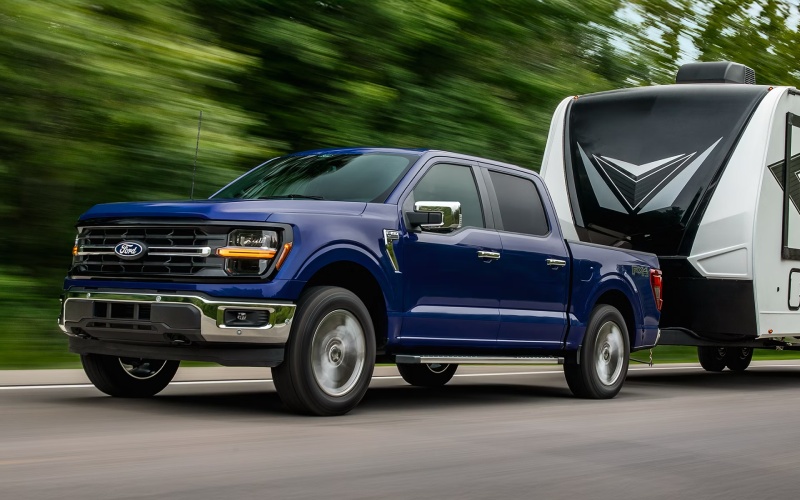
Vern Eide – How to Choose the Right Used Truck for Daily Life around Vermillion, SD
Used trucks earn their keep when the fit is right. Around Vermillion, SD, that might mean a mid-size truck that slips into campus-area parking near the USD dome during the week and wanders gravel along the Missouri River on Saturday. For others, it is a half-ton that commutes confidently on SD-50 and then tows a family boat toward Lewis and Clark Lake. A smaller group needs heavy-duty strength for livestock, equipment, and frequent fifth-wheel pulls. The art is matching class, gearing, and equipment to what you do most.
Start with your heaviest routine
List your top three jobs by weight and frequency. If two of those involve towing under 5,000 pounds or hauling yard materials, a mid-size truck likely checks the boxes with easier maneuverability and lower running costs. If you regularly pull 6,500 to 10,000 pounds, a half-ton with the right axle ratio, cooling, and trailer brake controller delivers confident control. Rigs that carry goosenecks, plow setups, or skid-steers typically justify heavy-duty frames, stouter brakes, and higher load-range tires for stability over Clay County roads.
Axle ratios are the quiet hero. A higher numerical ratio helps with launches, grades, and ramp work, while a lower ratio can improve cruising efficiency. If your route includes hills west of town or frequent on-off highway merges, a shorter ratio may be worth the trade-off in fuel economy. For highway-heavy miles to Sioux City or Yankton, a taller ratio can feel more relaxed and quiet.
Cab and bed decisions that matter
Crew cabs carry families and co-workers more comfortably but can limit bed length; extended cabs often split the difference. If you haul longer lumber or ATVs, an available 6.5 or 8-foot bed is invaluable—pair it with adjustable tie-downs and bed lighting for pre-dawn loading. When towing, confirm tongue weight plus passengers and gear keep you inside the truck’s payload rating; that sticker on the door jamb is your truth source.
Suspension and tire choices shape how a truck feels. Off-road packages add skid plates and all-terrain tires, which help on minimum-maintenance roads but can add noise. Highway-terrain tires ride quietly and can improve fuel economy, but check their load ratings if you tow. Shocks and leaf packs wear slowly—ask for service records or plan a bounce and braking test drive, both loaded and empty.
Feature checklists for smarter shopping
- Towing foundation: Look for a factory hitch, 7-pin wiring, integrated trailer brake controller, transmission cooler, and tow/haul mode.
- Control tech: Trailer sway control, hill start assist, and available surround or bed cameras simplify hitching and low-speed maneuvers.
- Workday comfort: Supportive seats, dual-zone climate, and quiet cabins reduce fatigue on longer drives between jobs or practices.
- Visibility and safety: Blind-spot monitoring with trailer coverage, LED lighting, and large mirrors builds confidence when changing lanes.
Even on a used truck, these features add measurable value. If you plan to grow into heavier towing, having the electrical backbone and cooling now saves you time and retrofit expense later. For primarily urban or campus driving, prioritize parking sensors, a tight turning diameter, and a camera with dynamic guidelines.
Powertrains and maintenance realities
Modern V6 and turbocharged gas engines have closed much of the gap with traditional V8s for towing in half-ton trucks, and they can be quieter and more efficient unloaded. Diesels shine under steady load and for engine braking on grades, yet they require attention to emissions systems and high-quality fuel. Review service histories for transmission fluid exchanges, cooling-system care, and differential services—signs of a truck that was treated as a tool, not a toy.
Underbody condition tells a story. Inspect frame rails, cab mounts, brake lines, and crossmembers for rust scale. Gravel and brine can hide trouble under skid plates or fresh undercoating. If possible, lift the truck or at least slide a light along the frame. Consistent tire wear patterns are another clue to healthy suspension geometry and alignment.
Frequently Asked Questions:
Do I really need 4×4 for Vermillion driving?
If you use river access roads, construction lots, or unpaved drives, 4×4 is worth it. Strictly paved commuting can favor 4×2, but pair it with quality all-season tires and traction control.
How big should my brake setup be for towing?
Match your trailer’s GVWR. For 5,000 to 7,500 pounds, seek an integrated trailer brake controller and a transmission cooler; above that, larger rotors and HD pads help manage heat on longer descents.
What is the simplest way to validate a payload?
Use the door-jamb payload sticker. Add the weight of passengers, tools, and 10 to 15 percent of trailer weight for tongue load—stay under the sticker value with a margin for safety.
Is a mid-size truck enough for a small camper?
Often, yes. Many mid-sizers tow 5,000 to 7,000 pounds with the correct hitch and cooling package. Confirm gross trailer weight and tongue weight fit your specific truck’s ratings.
When you are ready to compare candidates, bring your real trailer measurements and must-have gear list. One focused test drive with a sales consultant who speaks the language of payload stickers, axle codes, and tire load ranges can save weeks of guesswork. Vern Eide can help you weigh trade-offs and confirm the right class without overbuying. With our team serving Vermillion, Sioux Falls, and Mitchell, you can expect a friendly, efficient process that respects your time and goals.
0 comment(s) so far on How to Choose the Right Used Truck for Daily Life around Vermillion, SD