

How to Choose OEM Brake Pads, Rotors, and Suspension Components in Sioux Falls, SD
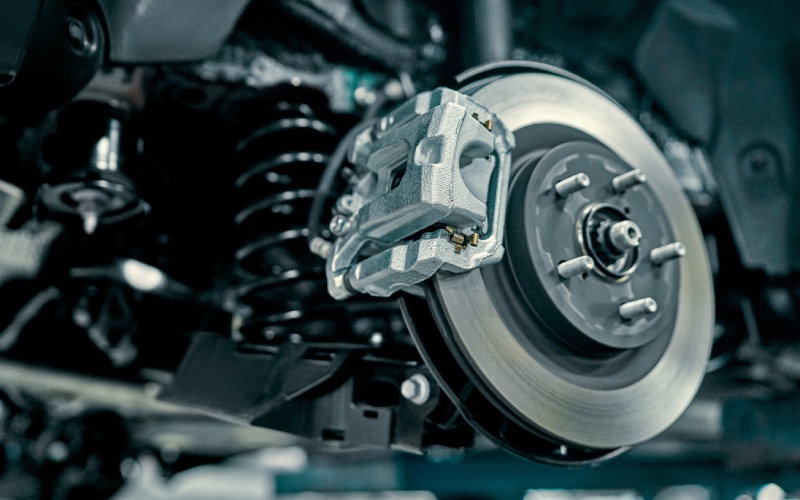
Vern Eide – How to Choose OEM Brake Pads, Rotors, and Suspension Components in Sioux Falls, SD
Sioux Falls drivers know the daily rhythm—merging onto I-29 or I-90, easing through Louise Avenue traffic, and navigating quick stops along 41st Street. Those routines heat-cycle brake pads and rotors and compress struts and shocks thousands of times a week. Choosing the right parts is the difference between quiet, confident stops and a steering-wheel shimmy that never seems to go away. Here’s a practical playbook to help you select exact-fit components, avoid common pitfalls, and keep your vehicle driving as it should in the city and out toward Tea, Harrisburg, and communities near Brandon, SD.
What matters most when buying brake and suspension parts
Fitment and friction are everything for brakes. If a pad’s backing plate shape is slightly off, it can bind in the bracket, overheat, and squeal. If a rotor’s hat offset or overall thickness isn’t correct, you risk runout and pedal pulsation. The same precision applies to suspension: struts, control arms, and bushings must match your vehicle’s geometry and weight. Genuine OEM parts are built to those specs, which protects brake balance, ABS tuning, and alignment angles. Before you buy, confirm the VIN, wheel size, and whether your vehicle has a heavy-duty or towing package—those details often change pad compound, rotor size, and spring rates.
Local driving patterns make a difference, too. Frequent stops downtown call for low-noise pad formulations and corrosion-resistant abutment hardware, while longer highway stretches favor thermal stability to maintain pedal feel on repeated slowdowns. If your week includes gravel spans or construction zones, sealed hub assemblies and properly torqued control-arm hardware will keep steering precise and tires wearing evenly.
Brake pads and rotors, explained
Pad compounds typically come in several flavors: ceramic for quiet, low-dust operation; semi-metallic for stronger initial bite and heat management; and specialty or performance compounds for unique use cases. For daily commuting, OEM-equivalent ceramic or tailored semi-metallic pads are smart picks because their friction characteristics align with your caliper and ABS design. Rotors must match diameter, thickness, and vane design. Avoid mixing drilled or slotted rotors unless your vehicle was engineered for them, as mismatched airflow and surface area can change heat distribution and noise. Always pair new pads with rotors that meet minimum thickness and are free from excessive lateral runout.
When installing, clean hub faces thoroughly and measure runout with a dial indicator. Even a small amount of debris or rust between the hub and rotor can create a pulse within a few hundred miles. Lubricate only where the service manual directs—typically caliper slides and pad ears—and follow a proper bed-in procedure to stabilize the pad’s friction layer on the rotor face.
Suspension components that restore ride and steering
Struts and shocks control body motion. If you notice extra bounce after speed humps near Falls Park or a nose dive when exiting the interstate, damping has likely weakened. Replace in pairs to maintain balance left-to-right, and consider new mounts and boots to prevent top-hat noise. Control arms and bushings keep geometry in check; worn rubber can cause wandering on windy days and accelerated inner-shoulder tire wear. After any strut, control arm, or tie-rod work, schedule a four-wheel alignment and request a printout of camber, caster, and toe to verify everything is back within spec.
Don’t overlook wheel bearings and hub assemblies. Modern hubs often integrate tone rings for wheel-speed sensors; choosing the correct OEM assembly helps ABS and stability control function normally and avoids false warnings. Tighten axle nuts and lug nuts to factory torque with a calibrated wrench to protect bearings and prevent rotor distortion.
What to bring when ordering parts
Arriving prepared speeds up the counter visit and ensures you leave with the right components the first time. Bring the following:
- VIN: Confirms trim, brake package, and production date for exact fitment.
- Wheel size and options: Affects rotor diameter and caliper type on many models.
- Mileage and symptoms: Helps determine whether you need hardware, mounts, or related parts.
- Recent repairs: Prevents duplicate work and identifies potential compatibility issues.
With that info, a parts specialist can pinpoint the correct pad shape, rotor size, strut configuration, and any one-time-use fasteners. You’ll also get the right fluids—DOT 3, DOT 4, or specialty specs—and advice on ABS-safe bleeding where required.
DIY or professional install, the goal is the same: a quiet, stable, confidence-inspiring drive. If you’re tackling the project yourself, gather jack stands, a torque wrench, brake cleaner, and a dial indicator for rotor runout checks. Follow factory torque values on brackets and axle nuts, and finish with a measured road test—progressive stops for brakes and a highway sweep to confirm straight-line tracking after suspension work.
Frequently Asked Questions:
Do I need to change rotors every time I change pads?
Not always, but rotors must be above minimum thickness, free of deep grooves, and within runout spec. Many drivers choose new rotors with new pads to reset the system and avoid comeback work.
Why are my new brakes still squealing?
Common culprits include missing or worn abutment clips, contaminated pad surfaces, incorrect lubrication points, or improper bed-in. Verify hardware was replaced, and the pad compound matches your vehicle.
Can I mix brands—OEM pads with aftermarket rotors?
It’s possible, but best results come from matched components that follow factory specs for metallurgy and thickness. Prioritize correct dimensions and vane design to minimize noise and heat issues.
How soon should I get an alignment after suspension work?
Immediately. Any time struts, control arms, or tie-rods are replaced, a four-wheel alignment protects tires and restores steering feel.
Parts choices shape how your vehicle feels every mile on I-29 and through city corridors like Minnesota Avenue and 26th Street. Bring your VIN and driving notes to a knowledgeable counter, and you’ll walk away with components that fit, perform, and install cleanly. For one-stop guidance and genuine, manufacturer-backed options, our team at Vern Eide is ready to help—whether you’re commuting downtown, cruising the outskirts, or heading out for the weekend.
If your week includes school runs, downtown errands, and a few stretches out of town, you need parts chosen for both stop-and-go and sustained highway speeds. With the right pad compound, rotor geometry, and damping profiles, your vehicle will feel secure at the first stoplight and the last off-ramp. And if you split time between Sioux Falls and neighborhoods near Brandon, SD, making precise, OEM-level choices pays off in quiet operation, even wear, and the kind of consistent pedal and steering feel that makes every drive less stressful.
0 comment(s) so far on How to Choose OEM Brake Pads, Rotors, and Suspension Components in Sioux Falls, SD