

How can I spot flood or hail damage when buying a used car near Yankton, SD?
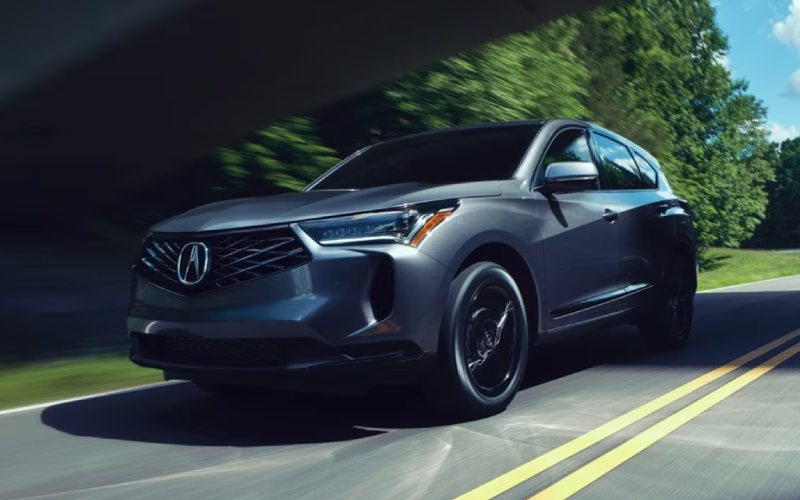
Vern Eide – How can I spot flood or hail damage when buying a used car near Yankton, SD?
Shopping used around Yankton means balancing everyday practicality with the realities of Southeast South Dakota weather and river life. Between the Missouri River on the south side of town and spring-summer storm systems that can roll across Highway 81 and Highway 50, flood exposure and hail are real-world considerations when you are evaluating a pre-owned vehicle. At Vern Eide, we help you separate cosmetic concerns from structural or safety issues so you can buy with confidence and enjoy the drive up to Sioux Falls or over to Vermillion without surprises.
Below, our team outlines a simple, professional-grade approach to spotting flood and hail damage before you sign paperwork. We will also share how our inspection and reconditioning process, service centers, and Vern Eide Body Shop support you with OEM-backed repairs and transparent history documentation. If you have a vehicle in mind, use this as a field guide on your test drive, then let us handle the deep-dive verification.
Why flood and hail history matters near Yankton
Flood exposure can quietly compromise a vehicle’s electrical system, safety sensors, seatbelt pretensioners, and corrosion protection. Hail, meanwhile, ranges from minor dings on a hood to roof panel distortion that may affect water sealing and, in some cases, windshield-mounted camera calibration for systems like Honda Sensing, AcuraWatch, Ford Co-Pilot360, or Chevy Safety Assist. In our region, where gravel roads, freeze-thaw cycles, and occasional river flooding meet summertime hail, it pays to inspect smartly and ask the right questions.
Your goal is not to avoid every car that has seen a storm. Instead, focus on identifying vehicles with verifiable, professionally repaired cosmetic damage versus those with hidden water intrusion or structural compromise. The difference directly affects long-term reliability, safety system performance, and your day-to-day ownership experience.
A 10-minute on-the-lot check you can do today
Before you dig into history reports and shop tools, start with your senses. These quick checks work in a driveway, in a parking lot along Broadway, or right here at Vern Eide.
- Odor test: With the vehicle closed up for a few minutes, open the door and take a slow breath. A musty or earthy smell, heavy perfume, or an ozone-cleaner scent can suggest masking of prior water exposure.
- Seat-rail inspection: Slide the front seats fully forward and back, then kneel to check the rails and seat mount bolts for fresh rust, silt, or water lines.
- Carpet and headliner feel: Press down firmly on the carpet under the front mats and in the rear footwells; gently touch the headliner above the doors. Dampness, stiffness, or water staining is a red flag.
- Trunk spare-tire well: Lift the trunk floor panel and inspect for standing water, corrosion around the drain plugs, or fine sediment.
- Fastener mismatch: Look for mismatched or freshly painted bolts under the hood, under the seats, or at door hinges that could indicate disassembly for water or hail repairs.
- Glass and seal check: Inspect the windshield, rear glass, and sunroof for replacement etchings or wavy seals; improper sealing can follow hail replacement and lead to future leaks.
- Panel sightline: Sight down the hood, roof, and top of the doors in low-angle light. Even small hail can create a peppered look; severe hail can oil-can the roof panel and distort bodylines.
If the car passes these basic checks, you are in a strong position to move forward. Next comes a deeper look at electronics and documentation, where flood exposure is most likely to reveal itself.
Flood-specific red flags you should not ignore
Electronics and corrosion are the story with water intrusion. Use this checklist as you power on the vehicle and during your test drive along local roads or a stretch of Highway 81.
- Startup behavior: Watch the gauge cluster and infotainment for flicker, delayed boot-up, or warning lights that disappear and then reappear.
- HVAC test: Cycle fan speeds, modes, and A/C. A blower motor that squeals or a system that will not switch vents can point to moisture damage.
- Window and mirror test: Run every window and power mirror. Slow or erratic operation, especially on rear doors, may indicate wiring harness corrosion.
- Steering wheel controls: Test every button. Inconsistent response suggests circuit board or clock spring issues that can follow water intrusion.
- Under-dash peek: Carefully look above the driver’s footwell for white corrosion on metal brackets or non-factory wiring splices wrapped in electrical tape.
- OBD-II scan: Ask for a pre-purchase scan. Intermittent codes in body control, airbag, or ABS modules may show up even if the dash is not lit.
- Undercarriage look: From a crouch, inspect seams and pinch welds for heavy rust or silt packed into the frame pockets that simple detailing would not reach.
Remember, a vehicle can run well on a short drive and still have flood-related issues waiting to surface. This is why documentation and a professional inspection matter just as much as your on-the-lot checks.
Hail damage: cosmetic vs. consequential
Not all hail is a dealbreaker. Many owners live happily with minor dings that have no impact on reliability. The key is understanding what was repaired, how, and whether safety systems were recalibrated correctly afterward.
- Paintless Dent Repair (PDR): Professionally performed PDR preserves factory paint and corrosion protection. Ask for invoices or notes on which panels were addressed.
- Roof panel integrity: A roof with widespread, deep dents can lose stiffness. Press gently at the center; if the metal pops in and out easily, plan to discuss replacement history and water-seal checks.
- Windshield and ADAS: If the windshield was replaced, ask whether camera calibration was performed for Honda Sensing, AcuraWatch, Ford Co-Pilot360, or Chevy Safety Assist. Miscalibration can reduce lane-keeping, adaptive cruise, and emergency braking performance.
- Paint breaches: Dents that cracked paint should be refinished properly to prevent corrosion, especially with South Dakota’s winter road treatments and spring moisture.
When hail repairs are documented and completed to OEM standards, you can often secure a high-quality vehicle with purely cosmetic history. The presence of hail alone is less important than the quality and completeness of the repair.
Titles, disclosures, and history: what to verify
Paperwork tells the story that quick inspections cannot. We recommend verifying the following before you finalize a purchase.
- Title brand clarity: Look for brands such as Water Damage, Salvage, or Rebuilt. Cosmetic-hail insurance claims sometimes do not brand a title, but flood typically does. Confirm through an NMVTIS-backed report.
- Cross-border titles: Because Yankton drivers sometimes buy in Nebraska or Iowa, check for recent out-of-state retitling that may obscure older events. Ask for a timeline of registrations and inspections.
- Service records: Look for drying, electrical, or interior harness repair notes after major storms. Thorough documentation is a good sign that issues were addressed correctly.
- Independent history: Request a CARFAX® or AutoCheck® report in addition to dealership documentation, then compare dates, mileages, and claim types for consistency.
Transparency matters. At Vern Eide, our used vehicles come with clear history documentation, and our team will walk you through what it means for long-term ownership. If questions remain, we are glad to put a vehicle on a lift, scan modules, or perform a water-intrusion test before you commit.
How Vern Eide helps you buy with confidence
Our approach is simple: we build trust through process and proof. Every used vehicle we retail receives a thorough inspection, including checks for signs of water intrusion, corrosion-prone areas, and cosmetic or structural hail impact. If a repair is needed, Vern Eide Body Shop and our service centers use OEM procedures and genuine parts whenever required, then road test and re-inspect systems before a vehicle is offered for sale.
We back that up with documentation. Our team reviews titles, verifies history through trusted data sources, and shares what we find in plain language. It is part of the Eide Effect — what we say is what we do — and it is why drivers from Yankton, Vermillion, and the Sioux Empire make the quick trip to our stores. You get selection across brands like Acura, Buick, Chevrolet, Ford, GMC, Honda, Lincoln, and Mitsubishi, plus the peace of mind that comes with a partner who treats your purchase like it is our own.
If you would like to see a vehicle you found online, we can coordinate a convenient time at our Sioux Falls location at 5200 S Louise Ave, Sioux Falls, SD 57108. Or, stop by for a same-day look and we will walk this checklist with you on the lot. We are closed on Sundays so our employees can spend time with their families, but our weekday and Saturday hours make it easy to plan a visit.
Frequently Asked Questions:
Is cosmetic hail damage a reason to walk away from a used car?
Not necessarily. Light hail that was professionally repaired with Paintless Dent Repair can be a non-issue for longevity. Focus on roof panel stiffness, any paint breaches, and windshield replacement quality. Also verify ADAS camera calibration for systems like Honda Sensing, AcuraWatch, Ford Co-Pilot360, or Chevy Safety Assist if the windshield was replaced.
How can I tell if a car had flood exposure even if it looks clean?
Trust your senses, then verify electronically. Musty or overly perfumed cabins, rust on seat rails, silt in the spare-tire well, and inconsistent electronics are clues. Ask for an OBD-II scan report and history documentation. We can also perform a water-intrusion test and under-dash inspection to check hidden areas.
What title or paperwork details matter most for flood and hail?
Look for brands such as Water Damage, Salvage, or Rebuilt, and confirm via an NMVTIS-backed report. Cross-check any insurance claim dates on a CARFAX® or AutoCheck® report with service records. If a windshield was replaced after hail, ask for proof of ADAS camera calibration.
Will a vehicle with minor hail hold up to South Dakota winters?
Yes, provided the paint is intact and repairs were done correctly. If paint was cracked, ensure refinishing was completed to OEM standards to prevent corrosion from road treatments and moisture. During your visit, we can evaluate specific panels and seams and discuss long-term care.
How far is Vern Eide from Yankton, and can you help if I find a car online first?
We are an easy drive from Yankton — typically about an hour to an hour and a half depending on route and traffic. If you spot a vehicle online, contact us to confirm availability, request history reports, and schedule a time. We will have the vehicle ready and can perform any additional inspections you want to see before you decide.
Your next step
Use the checklist above to narrow your options, then let our team handle the technical verification and OEM-quality reconditioning that turns a good find into a great long-term fit. Whether you commute along Highway 81, head north to Sioux Falls for work, or spend weekends around Lewis and Clark Lake, our goal is the same — a used vehicle you trust, with no surprises.
When you are ready, visit us at 5200 S Louise Ave, Sioux Falls, SD 57108, or reach out to our team to review a specific vehicle’s history, inspection results, and test drive plan. At Vern Eide, we are here to make your used-car search near Yankton simple, transparent, and rewarding.
0 comment(s) so far on How can I spot flood or hail damage when buying a used car near Yankton, SD?